management
56 articlesThe hidden lesson of Richard Socher's career: AI makes engineering discipline more valuable, not less
Richard Socher built the research that powers today's AI coding assistants and then described exactly how organizations should use them. His 'managers of AI' fr
From Tool to Team: Managing AI as Distributed Engineering
When you're running multiple AI sessions in parallel, you're not using a tool anymore — you're managing a team. The skills that matter shift accordingly.
Synthesis Project Management
A lightweight project management system for human-AI collaboration. Designed for context preservation across conversation sessions, context compaction events, m
What is Synthesis Engineering?
Synthesis engineering is a professional discipline for human-AI collaboration on complex work. Not just better prompting — a systematic approach with princ...
Scaling Synthesis Coding in Your Organization
A practical guide for CTOs and engineering leaders: cost analysis, team rollout strategy, training curriculum, and metrics for adopting synthesis coding at s...

The Power Playbook: Decoding Leadership Dynamics in OpenAI’s Executive Announcement
Twelve power dynamics decoded from OpenAI's executive announcement, revealing how leaders control narratives, reinforce hierarchy, and manage organizational cha

Why I Stopped Chasing ‘High Risk, High Reward’ and You Should Too
Why rewarding risk-taking over value creation is dangerous, and how leaders can shift to prioritizing innovation, skill, and sustainable business practices.
The Evolution of the 50/25 Meeting Format: Why Starting Late is the New On-Time
An updated take on the 50/25 meeting format: why starting meetings 5-10 minutes late creates buffer time that improves focus, reduces stress, and boosts product
Project Estimation with T-Shirt Sizing & Evidence Based Scheduling Models for Scrum Teams
Introduction "How long will this project take?" and "How much will it cost?" — two questions that can strike fear into the hearts of even the most se...
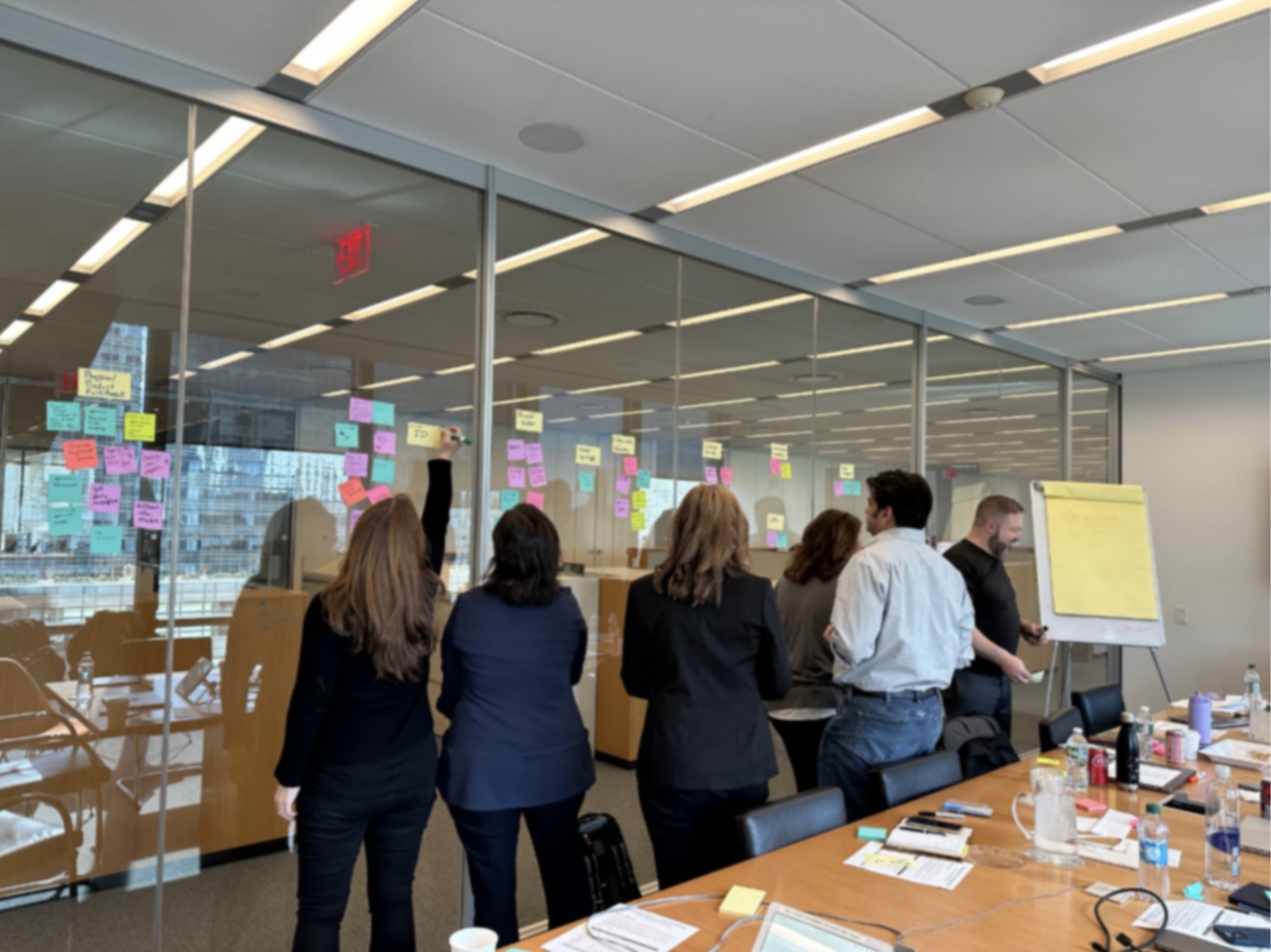
The Many Hats of Product Managers: Their Indispensable Hands-On Roles as Individual Contributors
Product managers wear many hats as individual contributors across 21 hands-on responsibilities from user research to product launches and roadmap management.
How Stakeholders and PDE Should Work Together
The relationship between business stakeholders and product teams is broken at most companies. Here is a framework for how it should actually work.

Activities, Outputs, and Outcomes — A framework for your job
A framework for distinguishing activities, outputs, and outcomes in your work, replacing static job descriptions with a living system for creating real value.
An Example of Respectfully Declining a Meeting at Work That is Already in Your Calendar
A practical example and template for respectfully declining a workplace meeting you previously accepted, with guidance on time prioritization.
OKRs in Media Companies
OKRs work differently in media than in pure tech companies. The editorial side creates unique challenges. Here is what I learned implementing them at the Wall S
The Role of a CPTO
What a Chief Product and Technology Officer does, why the role exists, and why engineering, product, and design should be separate disciplines under one leader.
Management & Technical Career Growth Tracks (v3)
Version 3 of the management and technical career growth tracks framework, covering engineering, product, design, data, and project management levels.
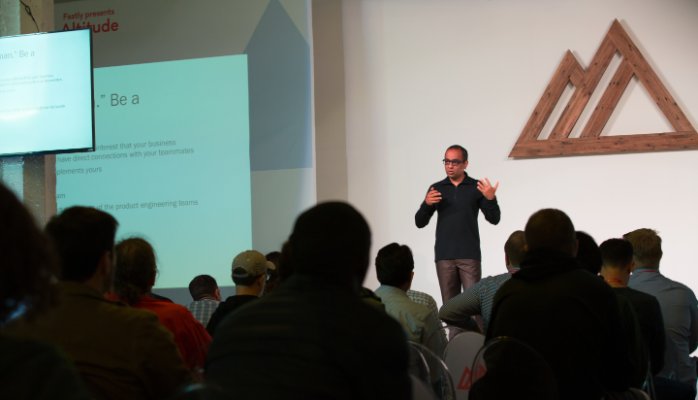
How to be an effective CTO
How to be effective as a CTO by mastering culture, technology, and operations, with five lessons on building stakeholder relationships and organizational influe

90 Day Plan for a CTO in a New Job
A seven-part framework for CTOs starting a new job, covering organizational assessment, metrics, vision, team building, culture, processes, and technology.
7 minus 1 reasons why technology/engineering teams should work on projects
Six valid reasons to justify engineering projects -- product, speed, quality, cost, security, and survival -- plus one anti-pattern to avoid.

Dear Makers, On Fridays My Office is Yours — An Experiment
A CTO's experiment sharing his private office with software engineers on Fridays to support maker's schedule productivity and workplace culture.
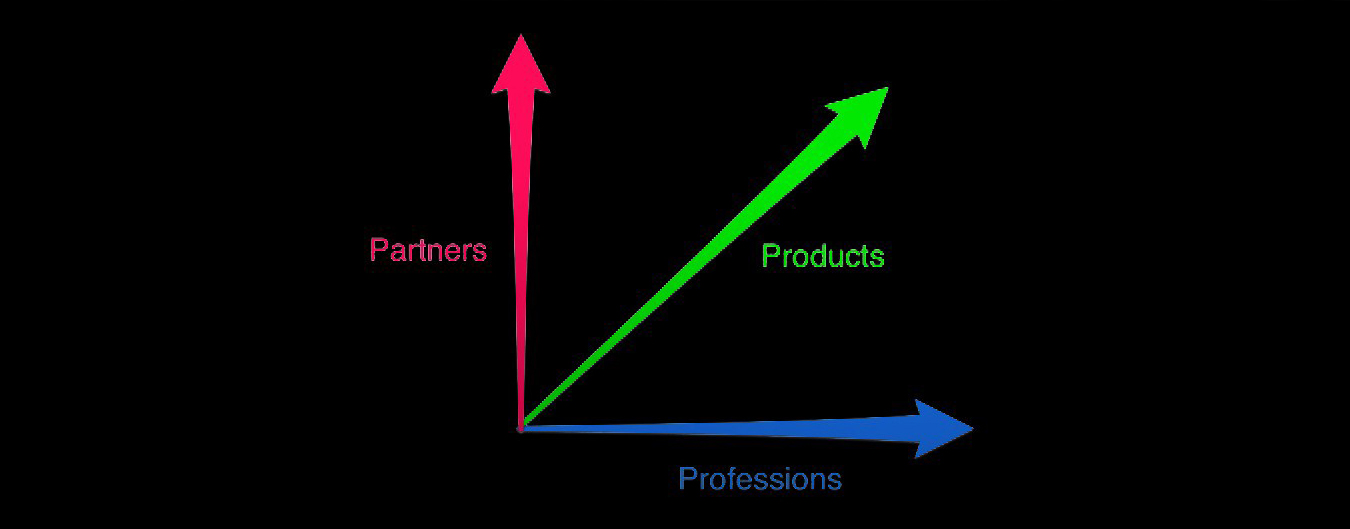
3 Dimensions of a Technology Team
A three-dimensional organizational design for technology teams balancing product-aligned delivery, partner relationships, and profession-based career growth.
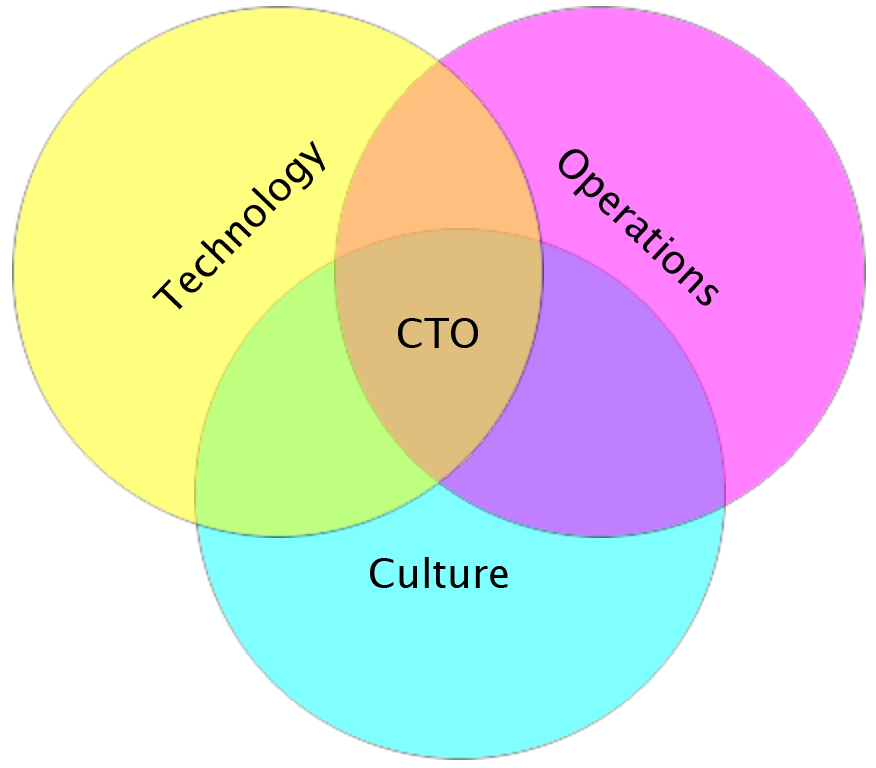
3 Roles of a CTO: Culture. Technology. Operations.
A CTO's three-part framework for 1:1 meetings covering culture, technology, and operations, with detailed checklists for each area of review.
3-5-7 Meeting Format for Weekly Staff Meetings
The 3-5-7 staff meeting format gives each team member 3-5 minutes to answer 7 structured questions covering work, learnings, issues, and collaboration.
Posted Signs for Productive Meetings
Downloadable slides to post as signs in meeting rooms and offices that promote productive meeting habits, available as PDF and Google Slides.
Template For Requesting an Outcome-Focused Meeting
An outcome-focused meeting request template that transforms meetings from time-consuming rituals into results-producing collaborations, with patterns and exampl
Templates for Replying to Meeting Requests & Polite Ways to Decline Meetings
Templates for replying to meeting requests and politely declining meetings where your participation would not add value, with time management tips.
When to have and when not to schedule meetings
Why companies should avoid scheduling meetings before 10am or after 5pm, and why makers need a four-hour uninterrupted block each day.
50/25 Meeting Format
The 50/25 meeting format shortens hour-long meetings to 50 minutes and half-hour meetings to 25 minutes, giving teams time to recharge between sessions.
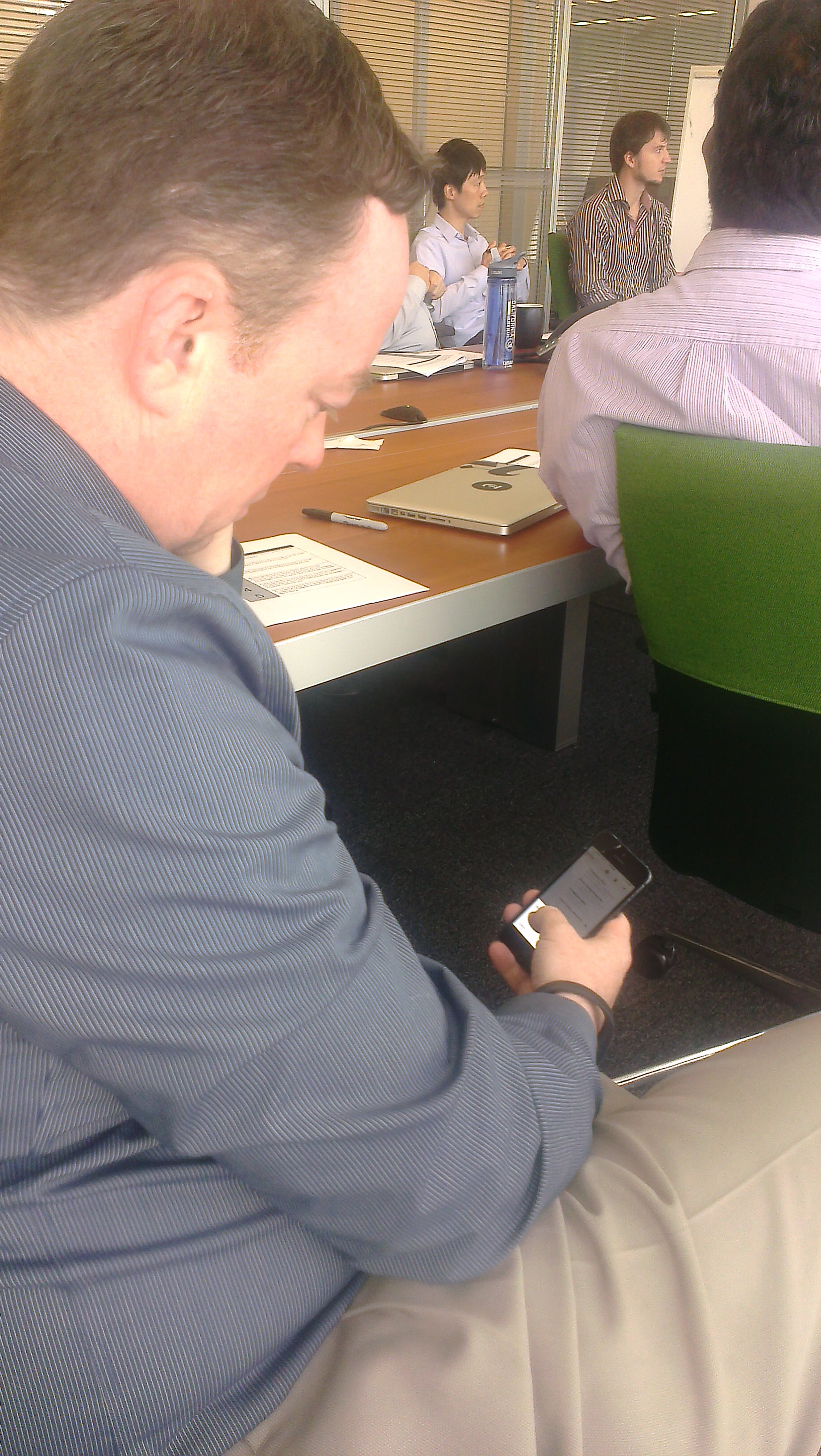
Using Laptops or Smartphones in Meetings
Why using your phone under the table is like picking your nose, and what to do about device culture in meetings.
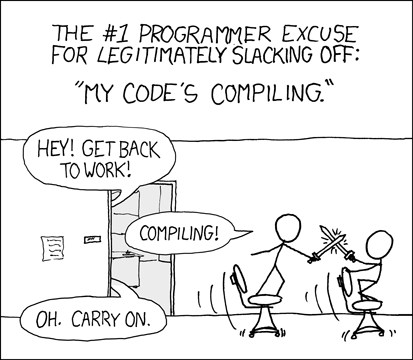
Maker’s Schedule (For Managers Too)
How to implement a maker's schedule with meeting-free Friday afternoons for focused coding and creative work, presented as a team policy memo with FAQ.
HR Classification and Discretionary/Business Job Titles for Makers, Managers and Leaders in Technology
A dual job title system for technology organizations separating HR classification titles from discretionary business titles, with policy guidelines and examples

5 Productivity Tips for Executives in Leadership & Management Roles
Five productivity tips for executives built around the number five, covering daily priorities, concise emails, short presentations, and time management.

Case for a Consistent, Comprehensible & Cost-Effective Vacation Policy
A case for giving every full-time employee 25 days of paid time off per year, with analysis of unlimited vacation drawbacks and fair accrual policies.

Product Maintenance vs. New Development on Web Sites, Mobile Apps and Other Digital Products
A framework for distinguishing software maintenance from new development, covering four maintenance types with examples for web and mobile products.
Management & Technical Career Growth Tracks (v2)
Version 2 of the career growth tracks framework, adding a product management track, C-level band, and minimum direct report guidelines for managers.
A Players Hire A Players
A players hire A players. B players hire C players. C players hire randomly. Each step reveals something different about insecurity, judgment, and organizationa
Schedule Time to Think Every Day
Scheduling dedicated thinking time every workday, separate from meetings and email, is the most important and most neglected habit a leader can develop.
Productive Business Meetings
A comprehensive guide to productive business meetings with links to formats, templates, scheduling guidelines, and device etiquette.
A Memo on Leadership by a Colleague
A colleague's leadership memo covering ego management, active listening, taking blame, treating people with respect, and constructive criticism.
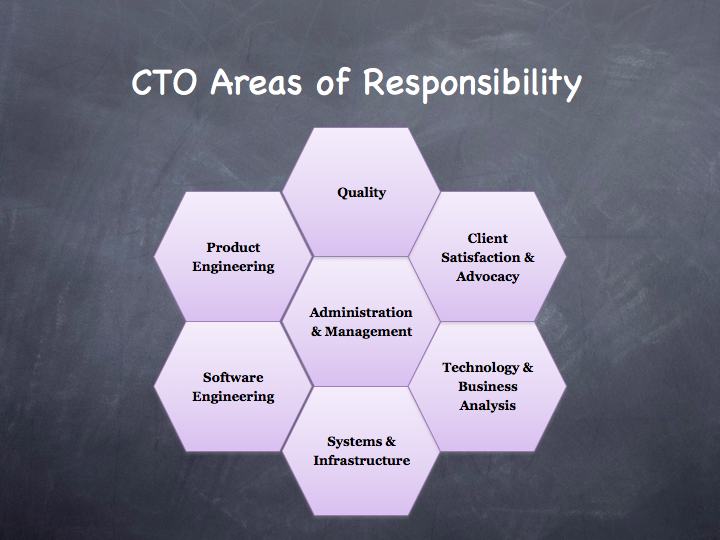
Organizing a Digital Technology Department in a Media Company By Functional Areas
A framework for organizing large digital technology departments in media companies across seven functional areas from engineering to client services.
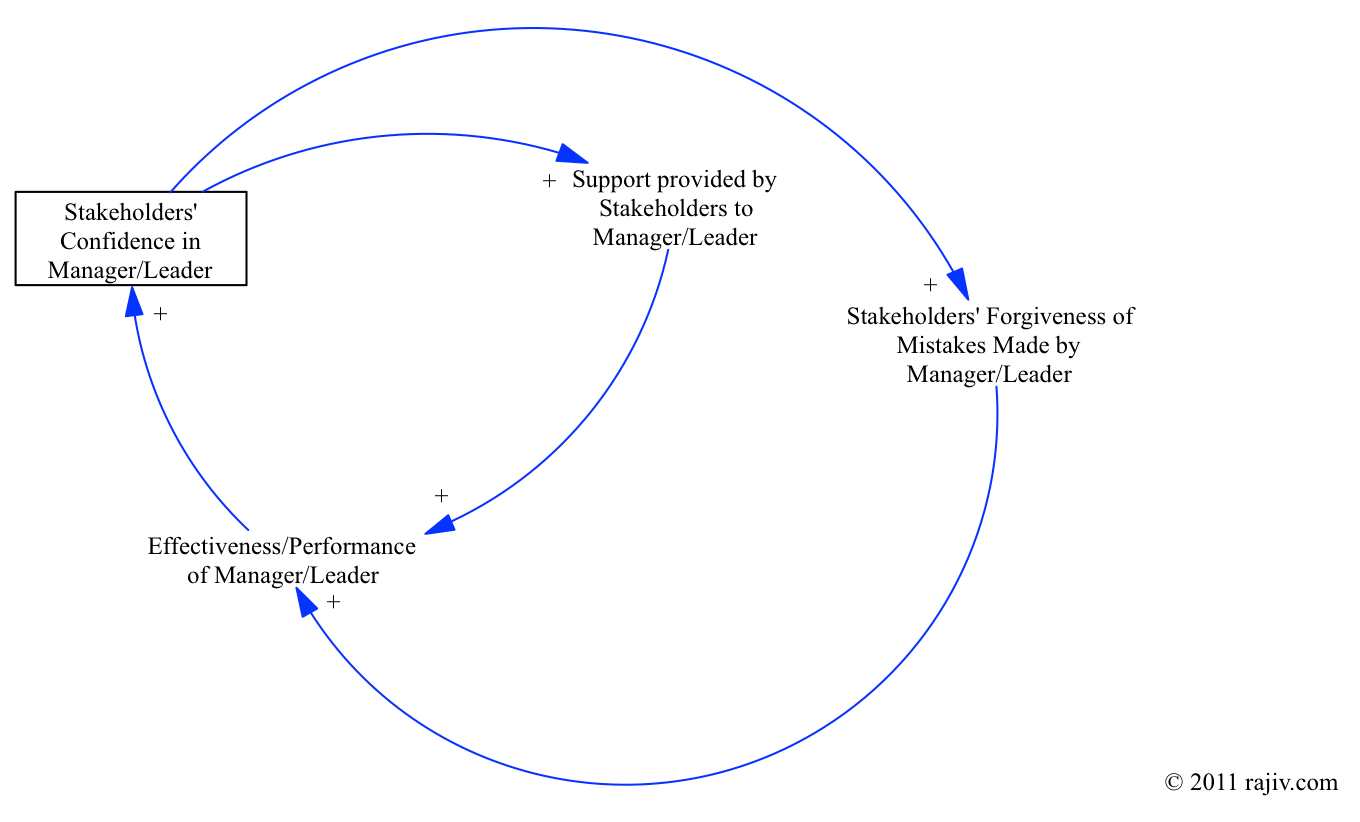
Confidence in Leaders & Managers and Their Performance: Reinforcing Loop
A systems thinking analysis of how confidence in leaders creates reinforcing loops of success or failure, with strategies to break negative cycles.
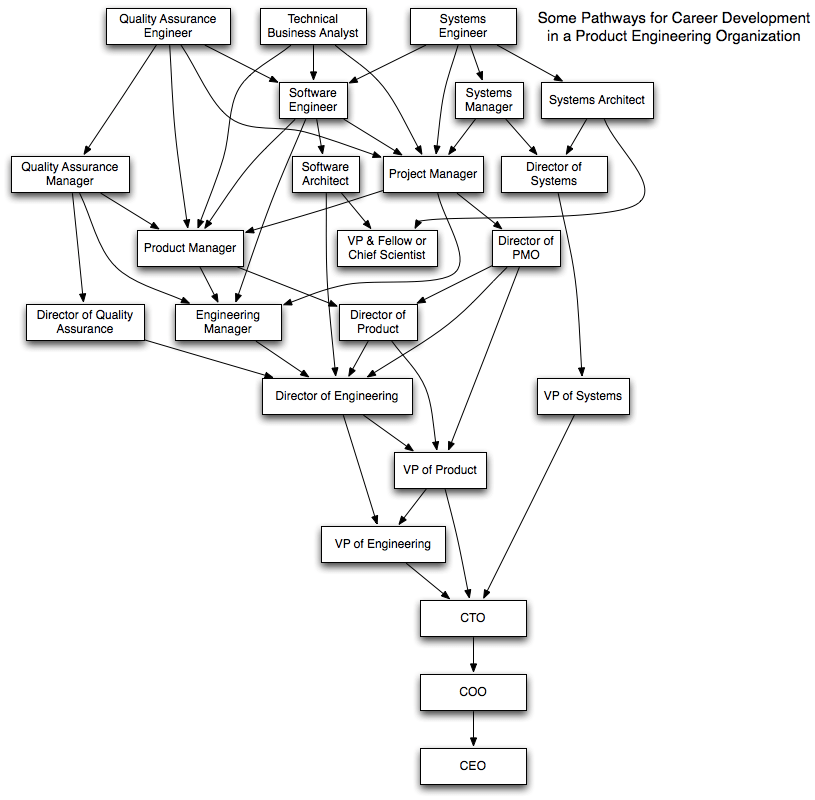
Some Pathways for Career Development in a Product Engineering Organization
Career development pathways in product engineering organizations, mapping trajectories from engineer to CTO across engineering, product, and QA tracks.
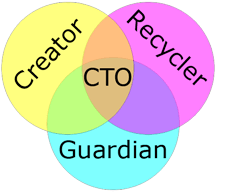
Trinity Method of Technology Management
The Trinity Method of Technology Management categorizes roles into Creator, Guardian, and Recycler for balanced organizational effectiveness.
CAREER-CLEAR: An Employee Evaluation and Career Development System
The CAREER-CLEAR employee evaluation system with five categories and a 100-point scoring scale for fair, consistent performance assessments.
Hosting Large-Scale Web Sites: Contract Review Guide for the CTO
A comprehensive contract review guide for CTOs covering servers, networks, managed services, CDN, SLAs, and negotiation strategies for web hosting.

Checklist for Migration of Web Application from Traditional Hosting to Cloud
Pre-cutover, during-cutover, and post-cutover checklists for migrating web applications from traditional hosting to cloud platforms like Amazon EC2.
Save Money On Hosting & CDN By Optimizing Your Architecture & Applications
A guide for technology managers on modeling, monitoring, and reducing web hosting and CDN costs for large-scale web properties.
Build and maintain a cohesive leadership team
Why a cohesive, collaborative leadership team matters more than individual brilliance, with practical advice on building team cohesion.
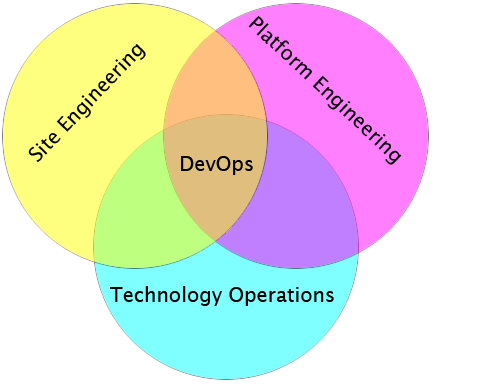
Organizing a Digital Technology Department of Medium Size in a Media Company
A framework for organizing a medium-size digital technology department into site engineering, platform engineering, and technology operations.
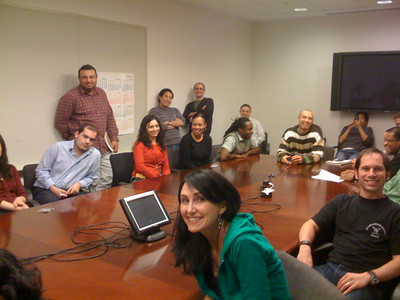
Management Tip: Thank Your Employees For Jobs Well Done
Management tips for effectively thanking employees, covering when to thank, how to personalize appreciation, and avoiding trivialized praise.
It is all about Balance
A reflection on why balance is essential across leadership, technology, and personal life, with topics like centralization vs. decentralization.

Opinion on the Amazon S3 Outage; Checklist for Dealing with Outages
Communication checklists for during-incident and post-incident responses, with leadership principles on owning responsibility for outages.
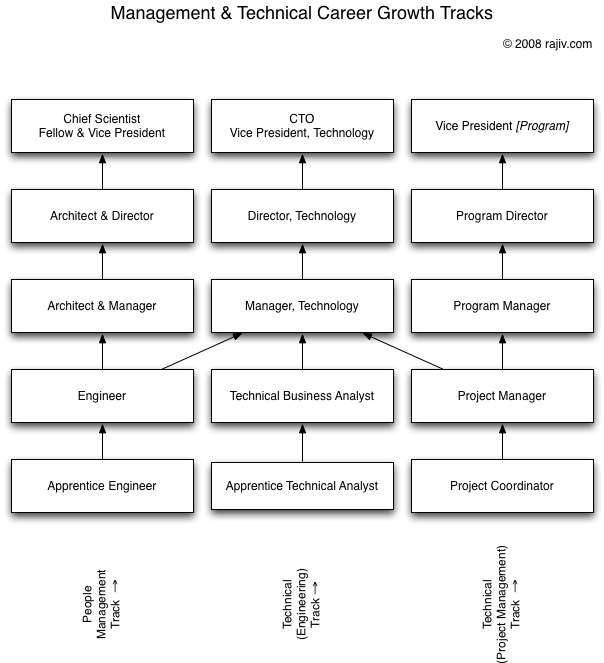
Management & Technical Career Growth Tracks
A framework for parallel management and technical career growth tracks that lets technologists advance without becoming people managers.
Interviewing By Putting To Work: Evidence-Based Hiring for Superior Results
Three models of work-based hiring assessments that directly observe candidate performance instead of relying on traditional interview questions.
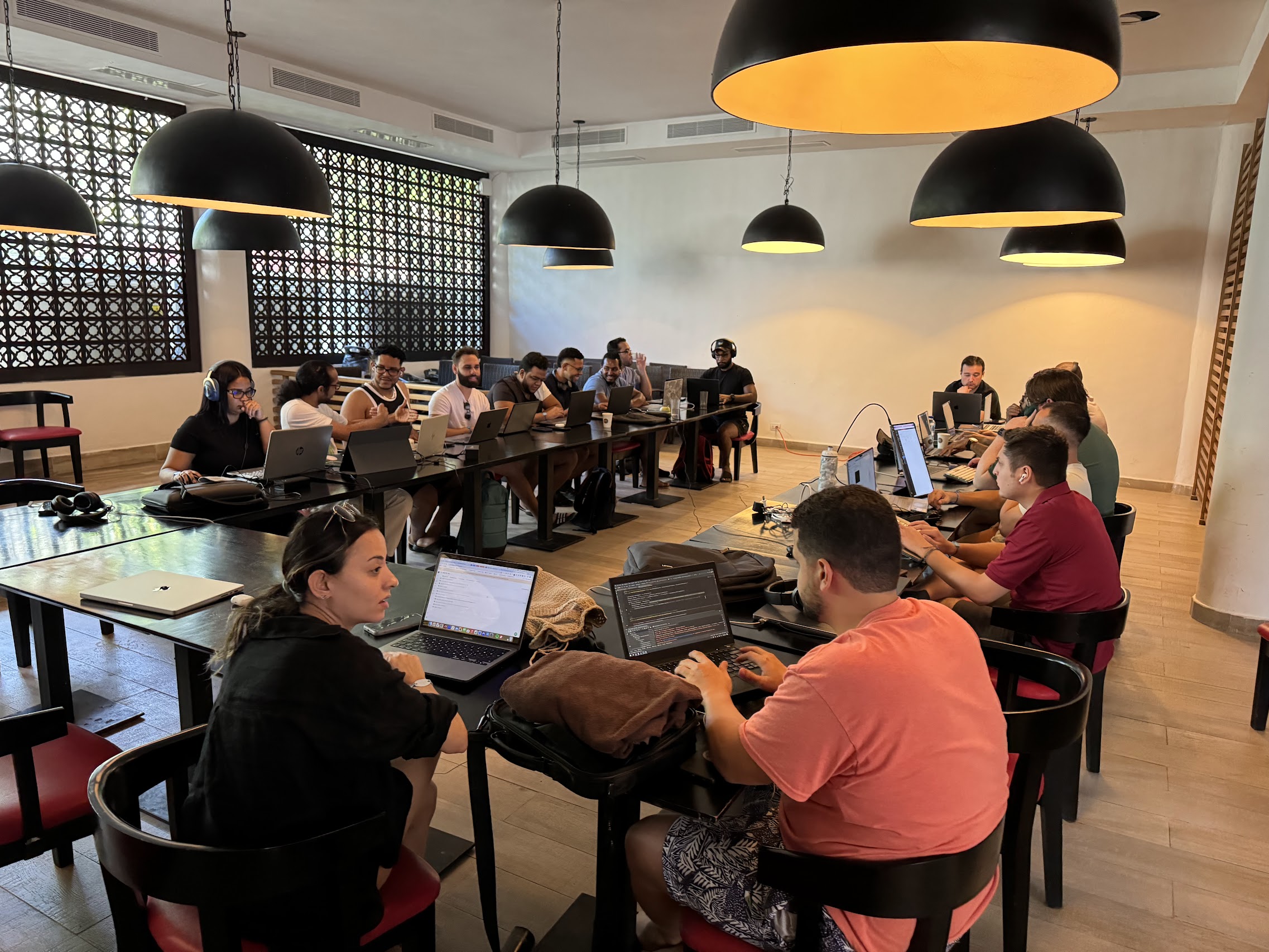
The Art and Science of Project Management: Beyond Tools and Techniques
People determine project outcomes more than methodology. A framework for project leadership covering purpose, psychological safety, and quality over speed.
What is Leadership?
Defining leadership as distinct from management: leaders innovate and serve, managers execute plans, and the best leaders win people rather than defeat them.